The Importance of Explosion-Proof Pumps
When it comes to handling flammable liquids like gasoline, safety is the top priority. That's where explosion-proof pumps come into play. These specially designed pumps are engineered to operate safely in hazardous environments, ensuring that the liquid is transferred without any risk of igniting fumes or causing explosions.
What Makes a Pump Explosion-Proof?
To qualify as explosion-proof, a pump must meet stringent safety standards. These include:
- Robust Construction: Typically made from materials like cast aluminum, these pumps are built to withstand extreme conditions.
- Sealed Components: The components are sealed tightly to prevent any leaks that could lead to an explosive atmosphere.
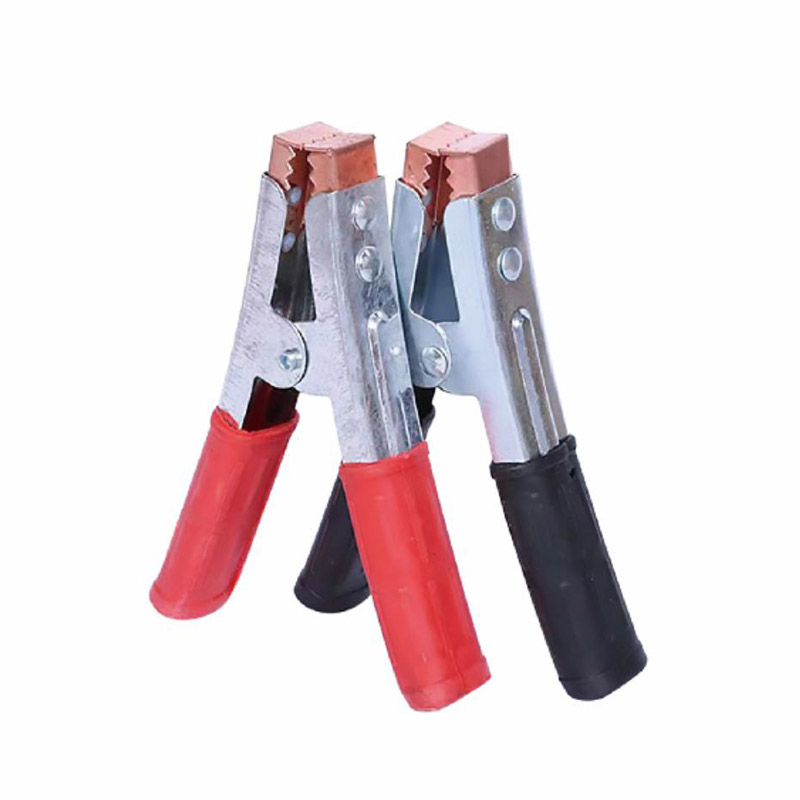
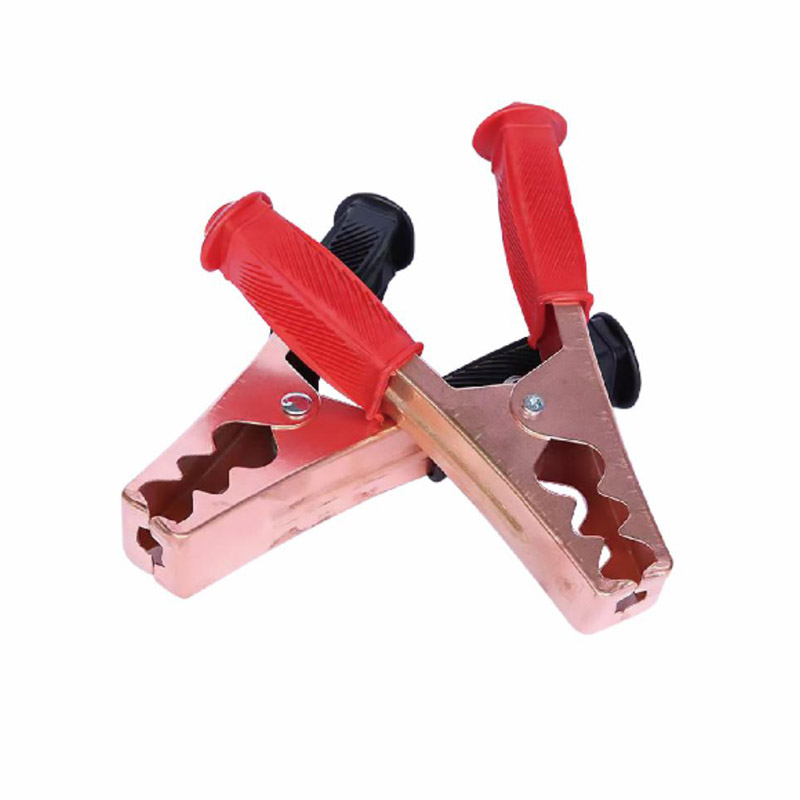
- Static Discharge Cable: A critical feature that helps dissipate static electricity, which is one of the main causes of ignition in flammable environments.
Overview of Gasoline Explosion-Proof Pumps
Gasoline explosion-proof pumps have gained popularity in various industries such as construction, oil and gas, and automotive sectors. One standout feature of these pumps is their ability to safely transfer gasoline from storage tanks to vehicles or machinery. This process is usually fraught with risks, but with the right equipment, those risks can be significantly mitigated.
Static Discharge Cable: A Game Changer
One of the most innovative aspects of these gasoline pumps is the static discharge cable. You might wonder, why does this matter? Well, static electricity can build up during the transfer process, potentially leading to dangerous sparks. The static discharge cable effectively channels away this charge, providing an extra layer of safety. It's crucial for avoiding accidents in environments where gasoline vapors may be present.
Choosing the Right Pump
Not all explosion-proof pumps are created equal. When selecting a pump, consider the following factors:
- Flow Rate: Determine how quickly you need to transfer gasoline. Different pumps offer varying flow rates.
- Power Source: Decide if you want an electric Oil pump or a manual option. Electric pumps are generally faster, while manual pumps can be more portable.
- Compliance Standards: Ensure the pump meets local regulations and industry standards for safety.
Durability Matters
Gasoline explosion-proof pumps constructed from cast aluminum are particularly durable. They resist corrosion, which is important when dealing with gasoline over time. Plus, they’re lightweight enough to make transportation easy, yet heavy-duty enough to handle the demands of various settings. It's kind of a sweet spot between strength and functionality.
Maintenance Tips for Longevity
Keeping your explosion-proof pump in good working order is essential for safety and longevity. Here are some tips:
- Regular Inspections: Check the seals and connections regularly to avoid leaks.
- Cleanliness: Maintain a clean environment around the pump to minimize contamination and buildup.
- Professional Servicing: Consider having it serviced by professionals who understand the specific needs of explosion-proof equipment.
Manual vs. Electric Pumps
Choosing between a hand Oil pump and an electric one often depends on your needs. Manual pumps are great for small jobs and portability, while electric pumps are better suited for larger volumes and quicker transfers. A lot of folks appreciate the convenience of electric models, especially in high-demand situations.
Cost Considerations
Explosion-proof pumps tend to be more expensive than standard pumps due to their specialized design and safety features. However, investing in quality pays off in the long run, especially considering the potential costs associated with accidents and liabilities. It’s a no-brainer really; safety should never be an afterthought.
.jpg)
Final Thoughts on Safety
Ultimately, choosing a gasoline explosion-proof pump with a static discharge cable and robust construction is about making informed decisions. The transport of hazardous materials doesn’t have to be scary or risky as long as the right equipment is in place. Whenever you're dealing with volatile substances, remember—better safe than sorry!